Todd Robertson
Product Manager - Unified Communications
What is Hybrid Work and Why It Matters to Australian Partners
Hybrid work is a model where employees split time between the office and remote locations, or choose one or the other, within clear guidelines set by the organisation. For channel partners, it is a powerful lens for positioning AV, UC collaboration, print, and IT solutions that support flexible, modern workplaces.

Since 2020, workplace expectations have shifted significantly. Research from Owl Labs shows that while many employees are still office-based, a growing portion now follow hybrid patterns—and the demand for flexibility remains strong. If flexible options were removed, a significant number of employees would consider changing jobs, highlighting how central hybrid work has become to retention and satisfaction.
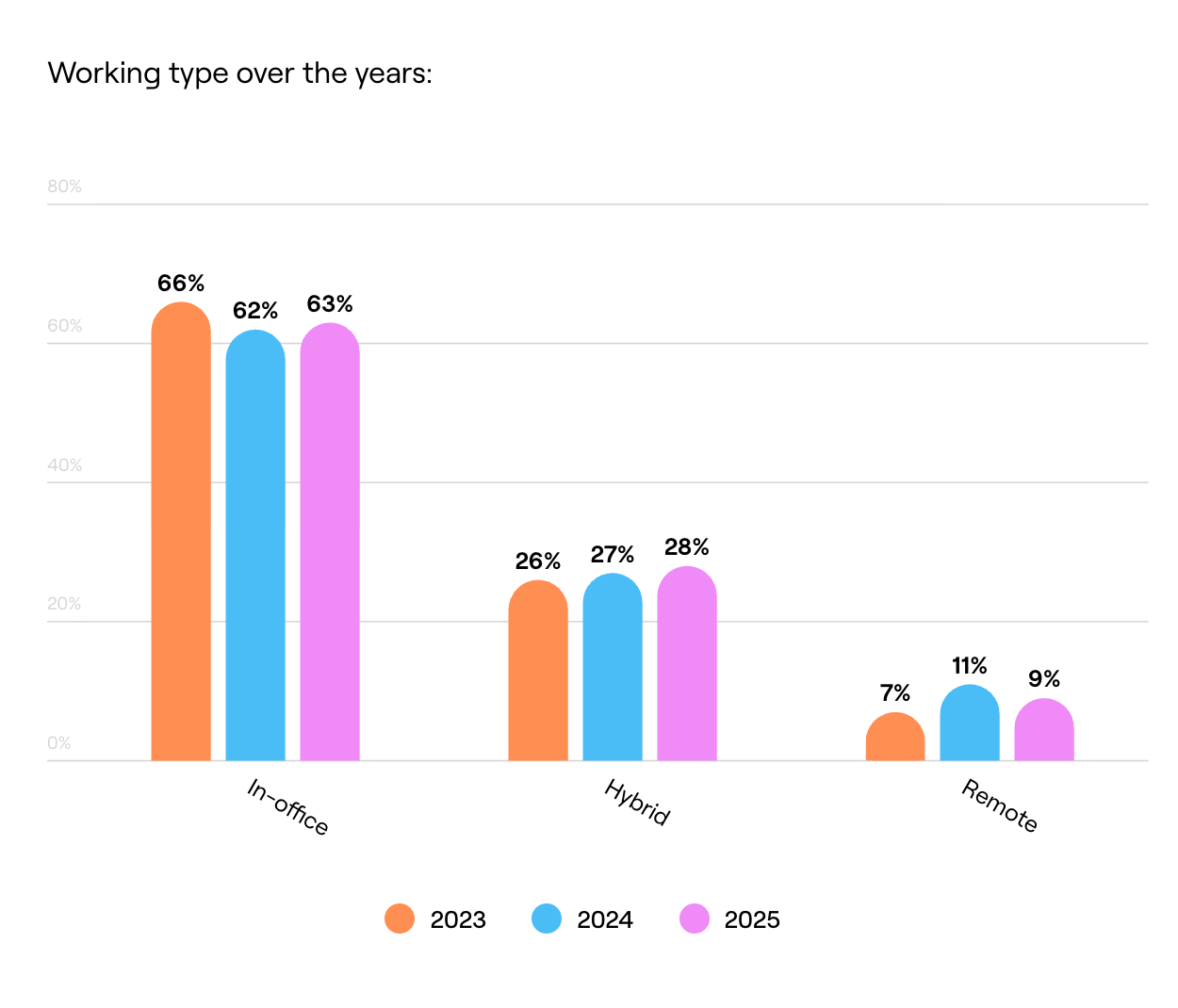 For Alloys partners, the challenge is clear: customers understand that flexibility matters, but many are unsure what “good” hybrid work looks like—or which technology investments will actually make a difference. By guiding these conversations and aligning hybrid models with real business outcomes, you can move beyond product features and focus on engagement, productivity, and talent attraction.
In Australia, this is particularly relevant for mid-sized organisations operating across multiple locations. A sales team may be on the road, support teams working remotely, and head office blending both. The right hybrid approach ensures everything stays connected—and the right technology makes it seamless.
Fixed Hybrid: Structured Office Days
In a fixed hybrid model, organisations define when employees are expected to be in the office—such as three days per week or specific anchor days like Tuesday and Thursday. This approach balances flexibility with predictable in-person collaboration.
It’s especially suited to organisations that prioritise mentoring, teamwork, and face-to-face engagement. For example, a finance firm may cluster meetings and workshops into designated office days while leaving others more flexible.
This model creates an opportunity to position solutions that make office time more effective. Well-equipped meeting spaces—featuring conferencing systems and interactive displays—enable teams to collaborate seamlessly with remote participants. Room booking and digital signage tools also help manage high-demand office days and avoid overcrowding.
However, fixed structures can limit hiring flexibility and may feel restrictive if not implemented thoughtfully. Positioning technology around fairness—ensuring remote participants have an equal voice in meetings—helps address these concerns.
Flexible Hybrid: Work Where You Work Best
Flexible hybrid gives employees greater control over where and when they work. While organisations set broad expectations, day-to-day decisions are left to individuals or teams.
This model consistently delivers high satisfaction when supported properly. Many employees value autonomy and actively seek roles that preserve flexibility. In Australia, where long commutes are common, reducing travel by even a few days per week can significantly improve work-life balance.
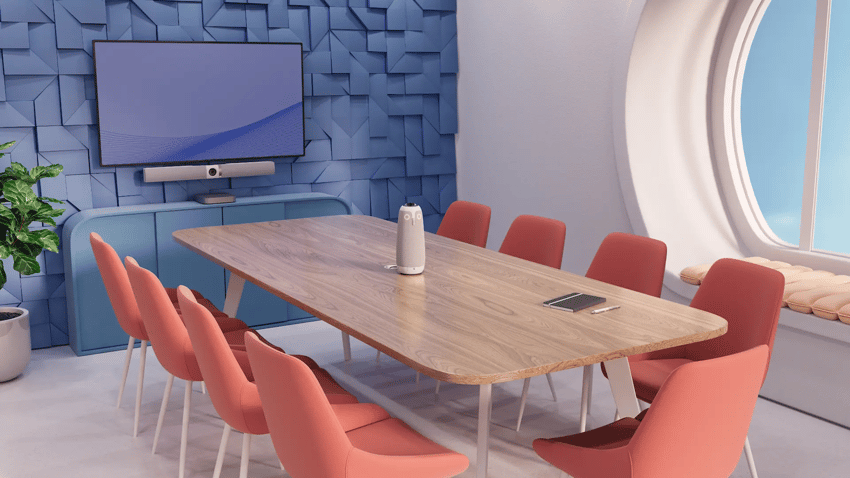
For partners, this model highlights the importance of consistent experiences across home and office environments. High-quality video conferencing tools, microphones, and headsets ensure every participant can fully engage, regardless of location.
It also opens the door to conversations around cloud-based workflows, secure printing, and collaboration platforms—allowing employees to access, share, and manage information from anywhere without compromising security or compliance.
Remote-First: Office as a Collaboration Hub
Remote-first hybrid assumes that most employees work remotely most of the time. The office becomes a destination for collaboration—used for workshops, leadership meetings, and key events rather than daily work.
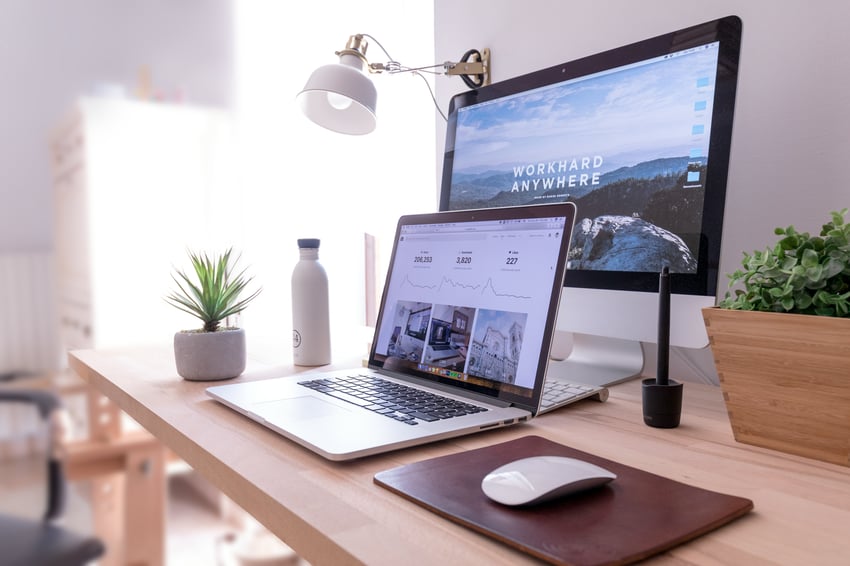
Companies like Airbnb have embraced this model, enabling employees to work from virtually anywhere while maintaining strong team connections through periodic in-person interactions.
For Australian organisations, this approach can expand access to talent across regions and states—especially valuable for specialised roles.
However, remote-first environments rely heavily on technology. Video conferencing, digital whiteboards, and shared workspaces become essential infrastructure rather than optional tools.
This creates opportunities to position solutions such as portable conferencing kits, interactive displays for collaboration spaces, and unified communications platforms. It’s also important to highlight the balance between cost savings (smaller offices, reduced travel) and the need to reinvest in reliable networks, security, and collaboration tools.
Role-Based Hybrid: Tailored to the Job
Role-based hybrid aligns work environments with job requirements. Some roles remain primarily onsite, while others operate remotely or follow a mixed pattern.
This model is particularly relevant across industries such as education, healthcare, logistics, and manufacturing. For example, frontline roles require physical presence, while administrative and support functions can operate more flexibly.
From a technology perspective, this introduces the need for equitable experiences across different work styles. Onsite teams require well-equipped collaboration spaces, while remote workers depend on secure access, reliable communication tools, and efficient document workflows.
This model also creates opportunities to address broader infrastructure needs, such as network segmentation, secure access controls, and tailored collaboration setups for different teams.
Turning Hybrid Work into Opportunity
Hybrid work is not just a trend—it’s a long-term shift in how organisations operate. The key to capturing this opportunity lies in packaging solutions around outcomes rather than individual products.
Instead of focusing on standalone devices, position complete solutions aligned to hybrid models:
- Fixed Hybrid Collaboration Setup – Optimised meeting rooms with conferencing systems, displays, and booking tools
- Flexible Work Kits – Home office bundles with webcams, headsets, and compact print solutions
- Remote-First Collaboration Spaces – High-impact boardrooms or training areas designed for hybrid interaction
- Role-Based Technology Solutions – Tailored setups based on team or job function
Supporting these with simple discovery questions—such as how often teams are in-office, how meetings are run, and which roles require physical presence—can quickly uncover gaps and guide recommendations.
By using trusted research from organisations like Owl Labs and aligning technology with real workplace needs, you position yourself as more than a supplier. You become a trusted advisor helping customers navigate the future of work with confidence.