How RealWear smart glasses improve frontline healthcare
RealWear smart glasses in healthcare are head-mounted, voice-controlled computers that let clinicians access information, capture images and connect with specialists while keeping both hands free for patient care. In Australian hospitals and aged care, they support safer decisions, faster interventions and more efficient use of limited clinical resources.
Healthcare teams across Australia are under pressure from staff shortages, rising acuity and growing demand for in‑home and residential care. Traditional models that rely on specialists being physically present at every site are no longer sustainable, especially across regional and rural communities.
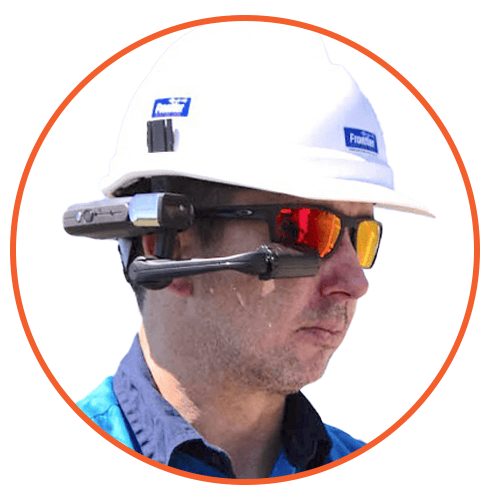
RealWear devices are purpose-built for busy, noisy clinical environments. They respond to voice commands, even with background noise, and present information in a small display that appears like a 7‑inch screen viewed at arm’s length. Clinicians can review wound images, follow checklists or join a video consult without putting down dressings, instruments or documentation.
Because the technology is worn, not carried, it allows care staff to maintain eye contact and rapport with patients and residents. That human connection is critical in aged care and community health, where trust and reassurance are as important as clinical accuracy.
Optimising clinical workflows with hands-free guidance and data
At its core, RealWear enables clinicians to bring the right information to the bedside or resident’s room without breaking their workflow. Staff can open procedures, check medication details, or capture notes using voice commands, reducing the risk of missed steps or transcription errors.
For example, a nurse performing a complex wound dressing can say a simple phrase to display the organisation’s latest wound-care protocol in their eyeline. They can scroll, zoom and capture images verbally, maintaining aseptic technique. This reduces the need to leave the room to check a desktop computer or printed folder.
RealWear’s hands-free camera and video streaming also help multidisciplinary teams coordinate care. A community nurse in rural NSW can share a live view of a resident’s pressure injury with a wound specialist in Sydney, who can mark areas of concern on-screen and guide assessment in real time. This avoids unnecessary transfers and supports earlier escalation when needed.
Health services using RealWear report gains in productivity because one specialist can support multiple sites in a single session. Instead of travelling between facilities, clinicians can move from call to call, supporting more patients in the same shift while still documenting directly into existing systems.
Enhancing healthcare training and education with RealWear
Continuous training is a major challenge in health and aged care, where staffing constraints limit the time people can spend away from the floor. RealWear smart glasses turn any clinical shift into a learning opportunity by allowing experienced practitioners to safely share live procedures with learners.
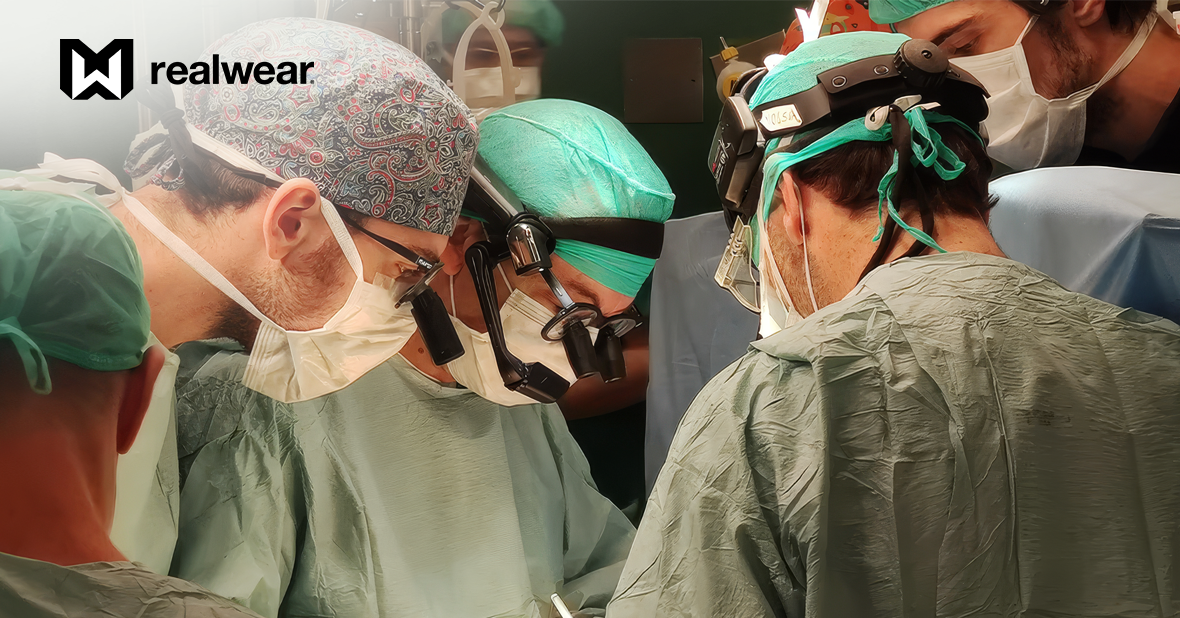
A UK trauma and orthopaedics department, for instance, used RealWear Navigator headsets to livestream operating theatre views to classrooms. One consultant reported they could now provide more people with theatre experience in a single day than in an entire year, while improving the quality of the learning experience compared with standing at the back of an operating room.
In Australian settings, this approach translates directly to graduate nurse programs, allied health placements and ongoing education for remote clinicians. Staff can join a real-time session from a training room or even a different site, observing assessments and interventions as they happen.
Because RealWear is voice controlled, the clinician wearing the device can narrate their reasoning without stopping the procedure. Sessions can be recorded, de‑identified where appropriate, and reused as on‑demand microlearning content, building a library of local best practice that new staff can access whenever they need it.
Real-time remote consultation and telehealth at the point of care
RealWear also acts as a powerful telehealth endpoint, especially in environments where traditional video carts are impractical. Integrated with collaboration platforms and clinical software, the glasses allow frontline staff to initiate secure video consults from the bedside or home visit.
This model shortens the chain of events between a concern being raised and clinical advice being provided. Instead of waiting for a visiting medical officer or sending a resident to hospital for assessment, a nurse can start a video call, show the presenting issue, and receive guidance on the spot.
The impact is particularly significant for routine follow-ups and chronic condition management. Many assessments that previously required transport can now be safely completed in place, provided the remote practitioner has a clear view, accurate observations and the ability to talk directly with both staff and the patient.
For health services, this reduces stress on emergency departments and outpatient clinics, while for patients and residents it means fewer disruptive transfers and more care delivered in familiar surroundings. It also supports equity of access by connecting rural and regional communities to metropolitan specialists.
Australian case study: Uniting’s clinical transformation with RealWear
A leading Australian aged care provider, Uniting, offers a clear example of what RealWear-enabled care can achieve when combined with strong clinical governance and digital strategy. As part of its transformation program, Uniting deployed assisted and augmented reality glasses for wound assessment across residential sites.
In the first four to six weeks of using only four RealWear-based devices, Uniting prevented nine hospitalisations. Over the same period, referral times to clinical specialists fell by around 75 percent, consultant travel time was effectively eliminated, and frontline teams gained an estimated 10 to 11 hours of productivity.
The solution combines RealWear smart glasses with a thermal sensor, commonly used in industries like mining to detect temperature changes. Uniting repurposed that capability to identify early tissue damage around wounds, helping clinicians prioritise which cases require urgent intervention.
Using secure remote support software, a clinical nurse wearing the glasses can connect a resident directly to a practitioner or GP. The practitioner sees exactly what the nurse sees, can request specific angles or measurements, and can make decisions in minutes instead of days.
After an eight-week pilot, Uniting expanded the rollout to 22 residential aged care sites, with a plan to equip each of its approximately 70 homes with at least one device. The program has already earned finalist recognition for innovation of the year from Smart Care Technology.
Getting started with RealWear in Australian health and aged care
For Australian healthcare and aged care organisations considering RealWear, the most successful projects start with a clear clinical problem: reducing avoidable hospital transfers, improving wound outcomes, or scaling specialist support to more sites. Technology is then designed around that goal, not the other way round.
Key steps typically include a focused pilot in one service line, such as wound care or remote medical rounds, with a small group of enthusiastic clinicians. Training emphasises hands-free operation, infection control, and consent processes for residents and families.
Partnerships also matter. Working with experienced digital health and distribution partners ensures devices are configured correctly, integrated with collaboration platforms, and supported locally across Australia’s time zones. This helps frontline staff feel confident that issues will be resolved quickly.
As Uniting’s experience shows, RealWear smart glasses are not about replacing clinicians, but about amplifying their impact. By bringing expert eyes and current information to every bedside, they help teams deliver safer, more timely and more human-centred care, even when resources are stretched.
For more information or to explore these solutions, please reach out to our UC team