
Anthony Hallit
Category Sales Specialist - AV
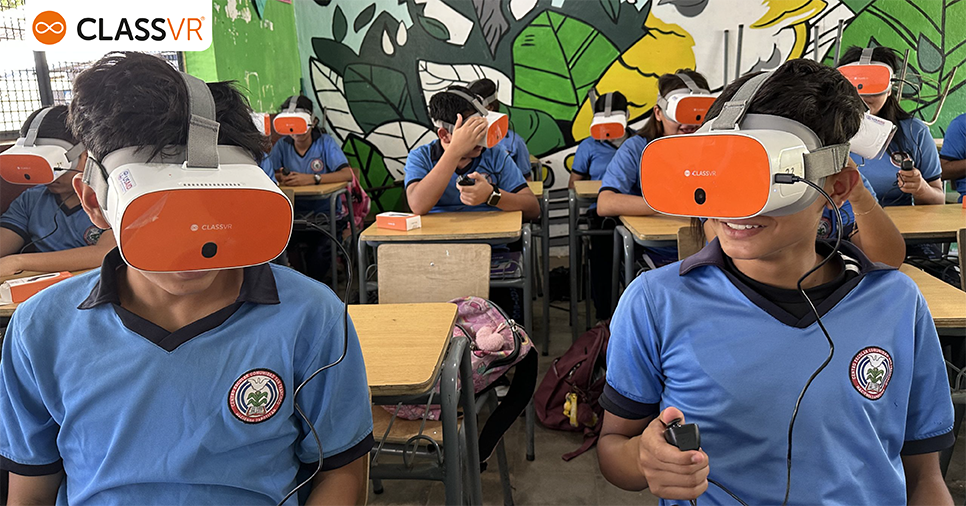
At Alloys, we love showcasing real Australian success stories that help you open new conversations with your education clients. Kardinia International College in Geelong, Victoria, has recently implemented ClassVR across its Junior School—and the results offer strong talking points for schools considering immersive learning.
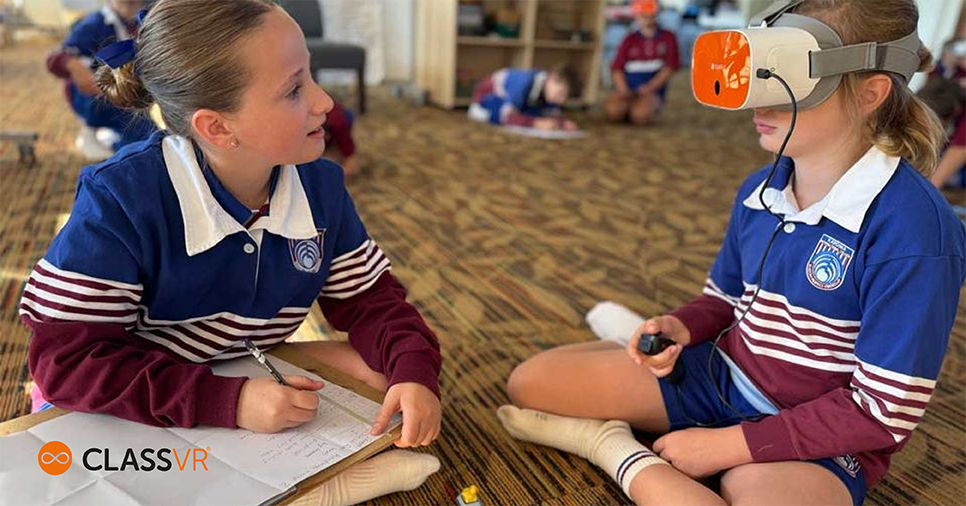
With 12 ClassVR headsets, Kardinia has built a structured, curriculum-aligned VR program from Foundation to Year 6, demonstrating how VR can fit into everyday classroom practice while supporting curiosity, creativity and engagement.
Here’s how their approach can help you highlight the value of ClassVR to your customers.
Clear Curriculum Tie-In: What Schools Want to Hear
Kardinia’s Director of Innovation and Technology K–12, Aisha Kristiansen, brought a clear plan for how VR could support inquiry-based learning. Her team developed a full VR scope and sequence aligned to the school’s Programme of Inquiry, ensuring consistent use from Foundation to Year 6.
This is a key message for your conversations:
ClassVR is not a gimmick — it works best when integrated into the learning cycle.
Aisha explains:
We’re using ClassVR to support curiosity, creativity and conceptual understanding. It’s not an add-on. It’s embedded and mapped across our Programme of Inquiry.
You can use this to help reassure schools that VR can be purposeful, structured, and aligned to curriculum goals—a major factor in technology approval decisions.
A Tool for Exploring Global Perspectives
For International Baccalaureate schools and culturally diverse communities, Kardinia’s approach shows how VR can deepen global understanding.
ClassVR allowed students to explore different cultures, habitats and time periods in meaningful ways. Aisha notes:
ClassVR allows students to travel to places they wouldn’t otherwise visit and understand the world from new viewpoints.
For resellers, this is a strong angle when speaking with schools focusing on intercultural learning, global citizenship and experiential education.
A Collaboration-Friendly Model That Works for Real Classrooms
Kardinia intentionally selected 12 headsets, encouraging pair work and shared inquiry.
This is a simple yet powerful insight you can share:
- Schools don’t need a one-to-one headset ratio
- Smaller fleets encourage communication, peer learning and reflection
- It keeps budgets manageable while still delivering impact
Teacher-Friendly Implementation Builds Confidence
One of the barriers schools often mention is teacher readiness. Kardinia resolved this by:
- Creating playlists for every inquiry unit
- Aligning activities with the Programme of Inquiry
- Giving teachers repeated access to headsets
- Encouraging gradual independence
For you, this highlights that ClassVR is approachable, and schools can adopt it successfully with simple planning. Teachers at Kardinia now regularly book the headsets as part of their toolkit — a strong indicator of long-term value.
Aisha notes a shift in classroom energy too:
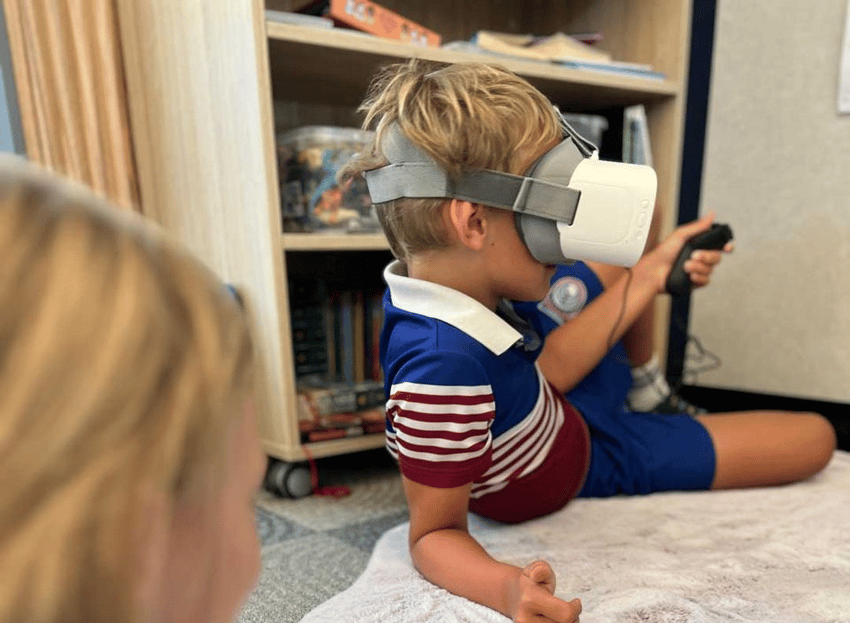
VR elevates the lesson and makes students feel like they really are there.
This is a relatable selling point when speaking with educators looking to increase engagement.
Moving Students from Consumers to Creators
Kardinia didn’t stop at viewing VR content. Using Delightex, students now create their own 3D VR/AR experiences.
This development is fantastic for resellers to highlight because:
- It shows long-term, evolving use of ClassVR
- It appeals to schools investing in digital technologies, STEAM and design thinking
- It positions VR as a creation platform, not just a viewing device
Students gain agency, confidence, and creative skills—all key themes in modern pedagogy.
Why This Case Study Matters for You
Kardinia International College provides a strong local example you can refer to when speaking with principals, ICT managers, and curriculum leaders.
/CVR_Person_Wearing_a_ClassVR_Headset.jpg?tr=w-960)
- Works across multiple year levels
- Fits naturally into inquiry-based learning
- Supports collaboration and creativity
- Is scalable and manageable for teachers
- Enhances curriculum delivery in a meaningful way
These insights can help you position ClassVR with confidence and start conversations grounded in real, relevant results.